Stena Line and Irish Ferries: passport now required on all three Wales–Ireland routes
Yes, if you are sailing between Wales and the Republic of Ireland. Since Monday 28 September 2026, Stena Line and Irish Ferries accept only a passport or an Irish passport card from every passenger on Holyhead–Dublin, Fishguard–Rosslare and Pembroke Dock–Rosslare, babies included. Driving licences and national ID cards no longer get you on board. The law has not changed: British and Irish citizens still do not legally need a passport inside the Common Travel Area. This is the ferry companies' own rule, and it does not apply to sailings to Belfast or Larne. Here is what you need on each route, by nationality.
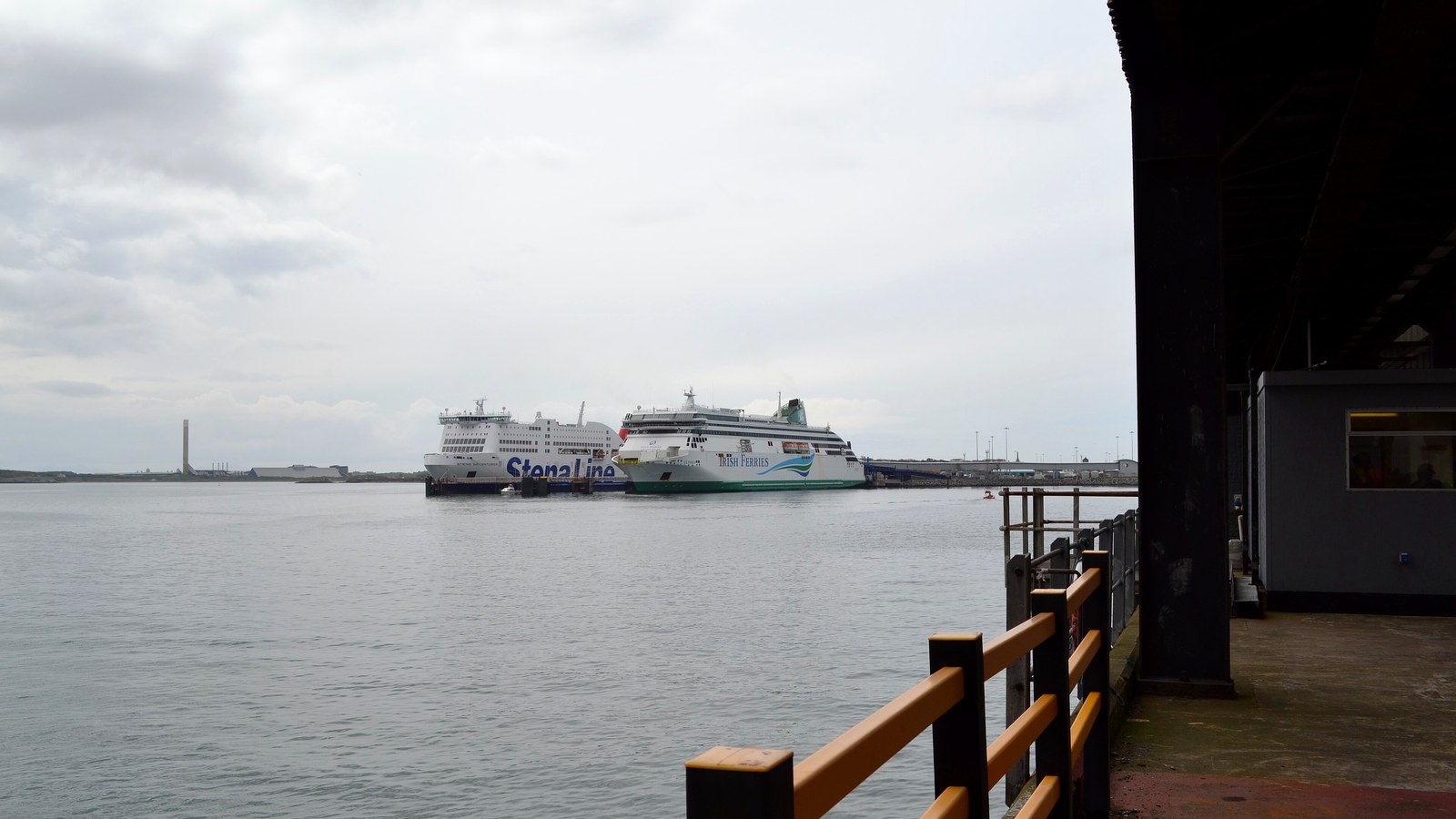
The short answer: yes to Dublin and Rosslare, no to Belfast and Larne
It depends on the port you sail from, not on your nationality. Every passenger on the Wales–Republic of Ireland routes now needs a passport. On Northern Ireland routes nothing has changed.
Route by route: which ferries now want a passport
Only sailings between Great Britain and the Republic of Ireland are affected. Sailings to Northern Ireland stay inside the UK and keep their old ID rules.
| Route | Operator | ID from 28 Sept |
|---|---|---|
| Holyhead–Dublin | Stena Line, Irish Ferries | Passport or Irish passport card, every passenger |
| Fishguard–Rosslare | Stena Line | Passport or Irish passport card, every passenger |
| Pembroke Dock–Rosslare | Irish Ferries | Passport or Irish passport card, every passenger |
| Cairnryan–Belfast | Stena Line | No change (Northern Ireland) |
| Liverpool (Birkenhead)–Belfast | Stena Line | No change (Northern Ireland) |
| Cairnryan–Larne | P&O Ferries | Not part of this change (Northern Ireland) |
| Liverpool–Dublin | P&O Ferries | No tourist sailings since December 2023, per P&O's route update page |
By nationality: the document for the ferry, and what else you need for Britain
The passport is what the ferry company checks at the desk. Whether you also need permission to enter Britain is a separate question, and it depends on your nationality and where you live.
| Who | At ferry check-in | Also needed for Britain |
|---|---|---|
| British citizen | UK passport. The UK has no passport card, so the passport book is the only option | Nothing else |
| Irish citizen | Irish passport or Irish passport card | Nothing else. No ETA |
| EU, EEA or Swiss citizen visiting | Passport. National ID cards are no longer accepted by the ferry companies | An ETA (£20) before sailing to Britain |
| EU or other non-visa national who lives in Ireland | Passport | No ETA when travelling from Ireland, if you carry proof of residence (see below) |
| Nationality that needs a UK visa | Passport | A UK visa |
| Children and babies | Their own passport or Irish passport card, at any age | Same as an adult of their nationality |
If the law does not require a passport, why can the ferry refuse me?
Because the Common Travel Area gives you the right to travel, but the ferry company decides what ID it accepts before you board.
The Common Travel Area between the UK and Ireland is older than either country's EU membership. Ireland's Immigration Service Delivery, part of the Department of Justice, puts it simply: "Within the CTA, Irish and British citizens can travel freely." On arrival in Ireland, an immigration officer may still ask where you have come from and what nationality you are. A boarding card or a document showing your name and nationality helps.
The UK side works the same way. GOV.UK says Border Force may ask people arriving from Ireland to prove who they are, and that it can even accept an expired passport or passport card if it is satisfied the document was issued to you. The ferry companies are stricter. Stena Line and Irish Ferries both ask for a valid passport, and Stena says it needs no extra months of validity on top. Neither company says whether an expired passport is accepted. If yours has run out, ask the company before you go to the port.
The companies link the change to UK Border Force's passenger data requirements: the details are now read from the passport at check-in instead of typed in from other ID. Stena scans the machine-readable zone (MRZ), the one to three lines of letters and digits on the photo page. Every passport presented must have one.
No passport, or it has expired: your options
You have three options: get a passport quickly, use an Irish passport card if you are Irish, or sail to Northern Ireland, where the rule does not apply.
Stena Line says it does not ask for passport details when you book; it reads them at check-in. So you can book now and bring the passport on the day. What you cannot do is turn up without one: Stena says that without your passport "you will not be able to travel".
Ferries in Wales, Scotland and Northern Ireland where nothing changes
Crossings inside the UK are not part of the new rule. These route pages have timetables and fares.
- Stena Line: Passport requirements on Holyhead and Fishguard routes (start date, routes, accepted documents, reason, unaffected routes) and What identification documents do I need to travel? (MRZ).
- Irish Ferries: Passport and ETA requirements for travel between Ireland and Britain, updated 26 August 2026 (routes, documents, ETA table by nationality).
- GOV.UK: Ireland travel advice, entry requirements; Travelling to the UK from Ireland (updated 1 January 2026); ETA: residents of Ireland; Apply for an ETA; Renew an adult passport; Get a passport urgently.
- Ireland: Immigration Service Delivery, Department of Justice, Common Travel Area; Department of Foreign Affairs, Passport Card.
- P&O Ferries: Liverpool to Dublin route update.
By The uk.ferje.info team — We keep the route pages for Britain's ferries, from chain ferries and river crossings to island boats, and check timetables, fares and rules against each operator's own pages.